

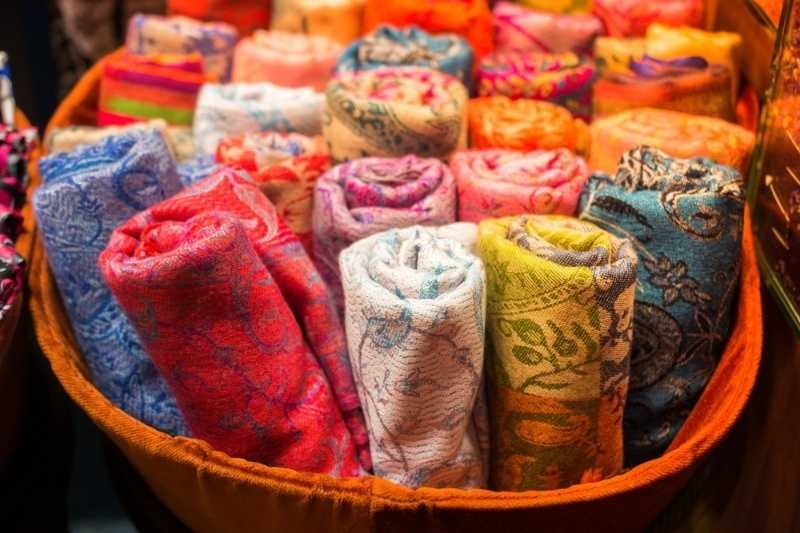
Fabric is a part of our everyday life and is responsible for our comfort, style, and durability. From our everyday wear to our soft bedding, from our comfortable cushions to the most chic accessory, fabric finds its use everywhere. Some fabrics are very soft and airy, whereas some are robust and durable. Having knowledge about different fabrics helps us in choosing the most suitable option for every use.
Below, this simple guide of different types of fabric explains the different fabric materials and their common uses in an easy-to-understand manner.
There are numerous textile fabrics currently available, and each has its own unique properties. Most of these can either be classified as natural or synthetic. Let's dive in for more information:
One of the most popular fabric materials, cotton, which is made from plant fibers and is very soft and airy, is used in clothes, bed linen, towels, baby clothes, and other daily wear due to its comfortable nature on the skin. This clothing fabric is preferred over all other fabric types for its moisture-absorbent feature and is the most suitable fabric for summer wear.
This textile fabric is easy to wash, but wrinkles easily and shrinks if washed in very hot water. This one is still one of the best fabric materials.
This natural fabric is produced from the fibers of flax. The fabric is airy and light, which makes it perfect for summer wear and furnishing. Linen shirt, trousers, curtains, and tablecloths are favorites because they look beautiful and keep you cool. The different fabric types listed in the guide include linen because it is one of the most durable and long-lasting fabrics. Linen is very easy to dry, and it becomes softer as it gets older with frequent washing.
It gives an effortlessly stylish look; the only downside is that it wrinkles more than the other fabric types. The other fabric types can not compete with the comfort of this clothing fabric during humid and warm weather.
This fabric is produced from the animal fleece of sheep and goats. This fabric is most commonly used for warm wear such as sweaters, scarves, coats, and blankets. Wool is one of the most suitable fabrics for use in colder climates, as it traps heat. The textile fabric is good for use even in the winter because it is able to absorb moisture without feeling wet or uncomfortable.
The feel of the wool can range from fine thread to very soft to rough and itchy, according to the variety of wool. You should always look after wool because it shrinks easily if washed incorrectly.
This is an expensive fabric that is made from the cocoons of silkworms. The fabric is very soft, shiny, and smooth and is one of the finest and classiest clothing fabric types. Silk fabric is most commonly used for fancy clothes like scarves, ties, shirts, dresses, and other bed linens due to its gorgeous look. The various fabric uses are always treated with special care because of their lustrous and royal look.
Silk is both a summer and a winter clothing fabric, as it is warm in the winter and cool in the summer. The other fabric types can not be compared with silk when it comes to pure grace and elegance; the cost is considerably higher, and silk requires delicate washing or dry cleaning to keep its luxury.
Polyester is a very common synthetic fabric, which is one of the cheapest and best. The textile fabric is durable, wrinkle-resistant, and easy to wash. In some clothes, polyester is blended with cotton or other natural fibers to add durability and reduce shrinking. This fabric type is a popular pick for jackets, sportswear, and furnishing items like curtains and cushions because it is quite cost-effective, and many fabric uses include these items.
It is quick to dry and easy to iron, and it helps maintain its shape. However, the main disadvantage it has is that it is not airy like the other fabric types and can be very hot during summer.
This type of cotton fabric, which is very durable, is primarily used in the making of skinny jeans, wide-leg jeans, and jackets. The appearance is both rugged and stylish, hence preferred by most at all times. Denim is a clothing fabric that is capable of enduring wear and tear better than other common fabric materials and is thus used for workwear and casual wear.
The different types of fabric include denim, one of the strongest fabrics for everyday use. The comfort increases, and it becomes soft after wearing it for a longer time. Denim is now even available in bags, shirts, skirts, etc. The uses are manifold.
Rayon is a semi-synthetic fabric produced from plant fibers like cellulose. Its touch is smooth like silk and soft like cotton. The best fabric uses include apparel like dresses, blouses, and light summery clothing. It has a tendency to give a beautiful drape to the cloth and feels cool in the summer.
It is absorbent like cotton and good for summer weather, but it can wrinkle and weaken when it is wet. Care should be taken when washing this fabric to improve its look and durability.
Nylon is a very strong synthetic fabric that is also very durable and flexible. This is very commonly used in hosiery, sportswear, bags, shoes, and military equipment because of its wear resistance as compared to natural fibers. This guide for fabric uses states that nylon is also used in outdoor products and gear.
The textile fabric has gained its importance in the sports world due to its high performance and strength, along with its weight-reducing property. This is one of the most durable fabric types but is susceptible to the wearability of other materials like cotton and linen.
Choosing a fabric largely depends on what we are looking for in it, whether it is softness, durability, or heat retention. Natural fabric materials like cotton, linen, wool, and silk should be selected depending on your use. Synthetics such as polyester and nylon are chosen for durability and easier maintenance.
The fabric types and uses are all listed above, but the actual care depends on the fabric. Each fabric requires a certain type of care, and knowing about them beforehand can improve the lifespan of your clothing or home décor item.
In learning the different kinds of fabric, people are better able to determine which fabric material to use for clothes and housewares. Each fabric material has its own features, and these features greatly impact the texture of a fabric's softness, toughness, and comfort.
As natural fabric materials can be airy and comfy, the benefits of using synthetic fabric materials are their toughness and convenience of use.
Cotton is generally a great fabric to have as clothing for sensitive skin, as it is soft, breathable, and smooth to touch. Natural material types cause very little irritation while allowing plenty of airflow. For many, bamboo and linen fabric clothing types are also incredibly comfortable in day-to-day wear, allowing moisture absorption.
Natural material types are made from plants or animals, while the synthetic fabric types are created from chemical compounds and processes using the means of manufacture. In most cases, natural textile materials are soft and porous, whereas synthetic types are harder-wearing and require very little ironing. The uses for both types of material differ based on the situation.
There are various types of material, such as cotton, linen, and rayon, which crease because of the way that their threads tend to bend in places after the item of clothing has been washed and then folded. Usually, natural-type material will wrinkle more easily than synthetic cloths; you may find that your clothing is less likely to wrinkle if it has been ironed accurately and carefully folded before storing it.
A polyester, nylon, or denim-type material is a useful choice of clothing fabric if the textile will be undergoing fairly heavy, everyday use. This sort of material type will be able to withstand an enormous amount of pressure without wear and tear becoming noticeable; therefore, it is most suitable for certain types of clothing material, such as jeans or material for the likes of jackets or handbags.
This content was created by AI